A few days ago, I was invited to the annual function of one of our clients. We've been creating films and creative content for them since 2021. I usually avoid social gatherings, but this invitation was different. There was one reason I genuinely wanted to be there.
A corporate film we had recently produced for them was going to be screened during the event.
Unlike feature films, commercials or YouTube videos, corporate films rarely have a public premiere. They are usually screened inside boardrooms, conferences, exhibitions, annual meetings or client presentations. As filmmakers, we hardly ever get to witness how people actually react to our work.
That evening, I had the opportunity.
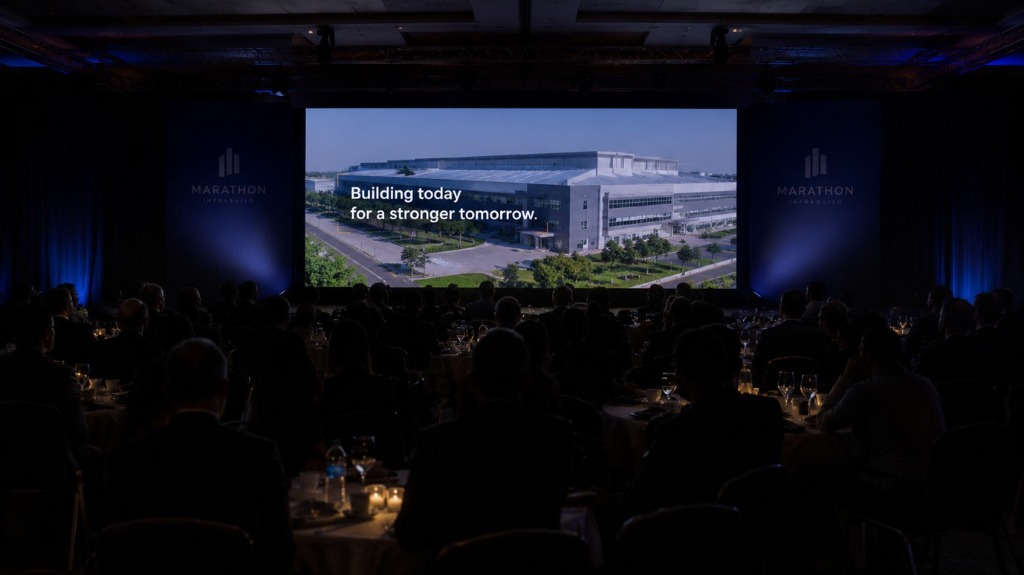
The event began with a welcome address, followed by a short speech from one of the senior members of the company. Then the lights dimmed, and our film began.
A seat had been reserved for me, but I chose to stand at the side of the hall, facing the audience instead of the screen.
I wasn't watching the film.
I was watching the people watching the film.
For the first minute, almost everyone was completely engaged. Their eyes were fixed on the screen. Nobody seemed distracted.
Then something interesting happened.
A few people began checking their phones. Some looked around the hall. A few exchanged quick glances with the person sitting beside them. Employees of the company continued watching attentively because everything on the screen was familiar and relevant to them. The guests and customers, however, were still interested—but only up to a point.
It was simply a case of using the right film for the wrong occasion.
That was when I turned my attention back to the screen.
The film opened with around 45 seconds about the industry's growth, opportunities and technological advancements. It then moved into the company's journey and humble beginnings before entering a detailed walkthrough of the manufacturing facility.
This was the section where the audience slowly began to disconnect.
The preview version that I had originally edited wasn't this detailed. It briefly introduced the facilities before moving on with the story. During the review process, however, we expanded the manufacturing section based on the client's feedback. They wanted every department, every process and every capability to receive adequate attention.
Were they wrong?
Not at all.
If this film were being shown to a potential customer who wanted to evaluate the company's manufacturing capabilities before awarding a contract, every minute of that detailed walkthrough would have been valuable.
But this wasn't that audience.
This was an annual function.
Most people in the hall weren't trying to understand the production process, quality control procedures or every machine on the shop floor. They simply wanted to know who the company was, what made it different, and why it mattered.
The film wasn't the problem.
The audience wasn't the problem either.
It was simply a case of using the right film for the wrong occasion.
Why I Recommend Three Versions of Every Corporate Film
This experience reinforced something I've believed for years.
Different audiences consume information differently.
A procurement head evaluating your factory wants far more detail than someone attending an annual celebration. An investor is interested in numbers and vision. A potential employee wants to understand the culture. A visitor at an exhibition may only give you sixty seconds of their attention before moving on.
Trying to satisfy everyone with one single corporate film is often where things begin to fall apart.
Sometimes, shorter really is better.
Not because people have shorter attention spans, but because they have different expectations. Give people only the information they need at that particular moment. If they want to know more, they'll ask for it.
That's why, for most manufacturing companies, I recommend creating three versions of the same corporate film.
1. The Detailed Version
This is the complete corporate film.
It showcases every important department, manufacturing process, certifications, quality systems, infrastructure and capabilities. It answers questions before they are asked.
This version works best during client meetings, investor presentations, factory visits or business development discussions where the audience genuinely wants to understand your company in depth before making a decision.
2. The Brand Version
Think of this as the balanced version.
It offers glimpses of the manufacturing processes without dwelling on every detail. Instead, the focus shifts towards the company's values, people, achievements, products and what makes the brand unique.
This version works well for websites, conferences, annual functions and general corporate presentations.
3. The Impact Version
This is the shortest and most energetic version.
It is designed to create curiosity rather than answer every question. Fast-paced visuals, strong music, compelling moments and memorable storytelling come together to leave the audience wanting to know more.
Perfect for exhibitions, social media, digital campaigns and opening presentations where grabbing attention is more important than explaining every process.
So, Why Are Corporate Videos Considered Boring?
In my opinion, most corporate videos aren't boring because of the subject.
Manufacturing isn't boring.
Engineering isn't boring.
Technology isn't boring.
People are fascinated by how things are made.
Corporate videos become boring when they try to tell everything to everyone at the same time.
Every company has a story.
Every factory has people solving problems, building products, overcoming challenges and creating something meaningful.
The story is already there.
It simply needs to be told in a way that matches the audience.
Corporate films don't have to feel like presentations. They can educate, inspire and leave a lasting impression. But that requires two things: filmmakers who are willing to innovate, and businesses that are willing to embrace a different way of telling their story.
Every corporate film carries a story.
Let's make it one worth watching.